Board Audit (Remote) – $500
Strengthening Your Board's Effectiveness and Leadership
Boards often drift into what governance expert Kent Stroman calls an "accidental board"—one that operates reactively, loses intentionality, and becomes less effective over time. The Board Audit is designed to help board presidents and Executive Directors reverse that trend and lead with clarity, purpose, and strategy.
What the Board Audit Includes
1. Comprehensive Board Self-Assessment
Your board members complete a 50-question evaluation that measures effectiveness across key areas, including board organization and orientation, training and development, use of committees and task forces, board meeting structure and productivity, policy development and oversight, relationship with the Executive Director, and strategic leadership and long-term thinking. The results provide a data-driven snapshot of board strengths, gaps, and opportunities for improvement.
2. Two-Hour Remote Analysis Session
Your Executive Director and board president meet with The Board Coach for a focused, two-hour review of the assessment results. During this session, we review the self-assessments and use seven diagnostic tools.
- Four leadership and decision-making types - Understand how board members process information and make decisions.
- Mutual accountability framework - Clarifies expectations and shared responsibility between the board and Executive Director.
- Board culture analysis - Examines patterns, norms, and behaviors that shape board performance.
- Member annual effectiveness gauge - Identifies opportunities for growth at the individual member level.
- Seven horizons for board focus - Helps determine where the board's attention should be directed for greatest impact.
- Three cognitive styles of board thinking - Explains how members approach problem-solving and big-picture decisions.
- Board composition and skills matrix - Assesses current capabilities and identifies desired gifts, abilities, and expertise for future recruitment.
Your Outcomes
By the end of the Board Audit, you will identify the gap between where your board is now and where you want it to be, pinpoint priority areas for strengthening governance, and receive a practical, customized turn-around strategy to guide next steps and improve board effectiveness.
Board Leadership Development
Just as camp boards, congregation councils and campus ministry boards invest in education to enhance the effectiveness of staff and pastors, it is equally important for camps, campus ministries and congregations to invest in board and council leadership training and development. Keith has the experience to challenge individuals in their personal commitment and financial stewardship. His expertise helps boards strengthen their partnership and overall effectiveness.
Click on each workshop listed below for details and rates...
Strategic Planning
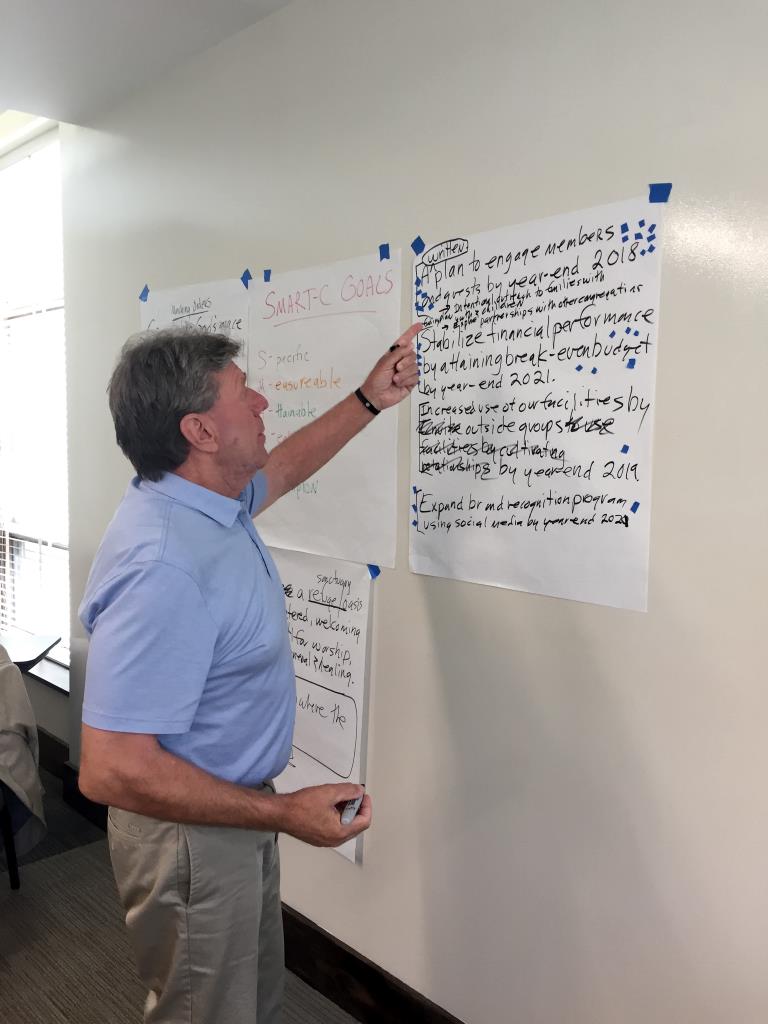
Camps, campus ministries and congregation councils can greatly benefit from developing a strategic vision and formalized road map (strategic plan) to guide them into the future. To accomplish this Keith has developed a sixfold planning process that can be accomplished in just four to five days of his time. Keith will train and guide a small group team to lead the planning process.
- Step One - Survey stakeholders and other area agencies and institutions to gain insights and identify potential partnerships.
- Step Two - SWOTT - Strengths, weaknesses, opportunities, threats and trends.
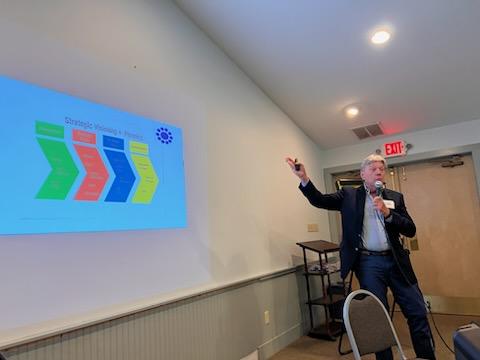
- Step Three - Strategic Vision - Strategic vision and 2-3 strategic goals can be developed in an overnight retreat.
- Step Four - Strategic Plan - Develop objectives and action steps and identify champions to guide the process and key performance indicators to measure success accomplished at a workday four to six weeks after the planning retreat.
- Step Five - Test the viability of the plan in the constituency through town hall gatherings, and surveys on the website and social media.
- Step Six - Follow-up with Keith after 3 months, 6 months, and one year to keep your board on track in implementing the strategic vision and plan.
Executive Leadership Transitions
Many boards experience concern and fear when faced with the departure of their executive director. Their first instinct is to fill the position as soon as possible but acting hastily can create more problems than it solves. Keith will provide the tools needed to manage the leadership transition by helping the board identify which of three courses of action would be best for them: 1) Hire an interim director for a period of 12-18 months and provide time before calling a new executive; 2) Hire a transition director to address key issues and problems that need attention before calling a new executive; or 3) Move immediately to call a new executive director.
The second step may be to help the board develop a new strategic vision and goals for the future which will lead to a profile of the gifts and abilities needed in the next Executive Director. Keith is also available to help identify and recruit candidates for the position and to prepare for the interviewing process.
Mutual Support & Accountability
The relationship between the board and executive director is the most important relationship in the entire ministry. The ministry is best positioned for success when there is a strong partnership and shared vision for the future. There is a paradox that the executive serves as leader, but the board retains final responsibility. Keith will help your board address four keys to improving or maintaining a dynamic relationship: 1) Trust and mutual respect; 2) Clear roles and responsibilities; 3) Good communication; and 4) Creating a culture of mutual responsibility that includes goal setting and annual evaluation for both the board and executive.
Training Board Presidents & Committee Chairs (Remote)
Next to the executive director, the board president is the most important position for your camp, campus ministry or congregation. Keith has developed a 2 1⁄2 hour workshop to train and equip the board president and build a strong partnership with the Executive Director. His recommendation is that President serve two or more years and the Vice-President serves as president-elect.
Developing A Governance Committee
The purpose of a Governance Committee is to focus on growth of the board's effectiveness so the board itself can focus on the strategic vision and future of the ministry. Keith has developed a three-hour workshop to train the committee in fulfilling four responsibilities: 1) How to recruit exceptional candidates to serve on the board; 2) How to train new board members and provide continuing education for members; 3) How to develop a process for board and individual member evaluation; and 4) How to manage board policies.
Keith will help recruit a Governance Committee, which may be led by the Board Vice-President and may include the past Board President and influential members from throughout the constituency. Some ministries choose to have the governance function managed by the Executive Committee.
New Board Member Remote Training
Many well intended and committed Christians join a camp board or congregation council because of their personal experience and their desire to do what they can to help support the ministry. However too many of them do not understand best practices for good governance and they fail to appreciate the critical importance of a high-capacity Board of Directors to support the work of staff. "The Board Coach" developed a 2 ½ hour remote training session to address these needs and to help new board members prepare for their service. The topics include the following:
- The importance of fully activating the board engine
- Basics of good governance
- Board job description and board and staff roles
- Board member personal commitment
- Relationship to the executive director
- Making decisions, managing conflict and handling complaints
Several camp boards and congregation councils use the session for new member orientation. Executive directors or Pastors participate to familiarize new members with ministry needs and priorities.